
16 Days of Activism
16 Stories
Rape, sexual slavery and forced marriage have been used as weapons of war across Africa, to terrorise communities, punish them and drive them from their land. Yet for survivors, justice remains the exception. Most cases are never investigated, let alone prosecuted, and the true scale is far larger than any count. In 2025, the UN verified 9,788 cases of conflict-related sexual violence worldwide, more than double the year before, and it warns that even this figure does not reflect the full picture.
This violence is fuelled by impunity. Perpetrators commit violent acts because they know that they will not be held accountable, and often because they are actively encouraged to do so. Nonetheless, across Africa, survivors and their allies are fighting for accountability. These stories highlight a select 16 of those efforts, both where they have been successful and where much remains to be done.
Please note: these stories describe sexual violence, including against children.
Survivors’ fight for justice
Rwanda: Rape Recognised as Genocide
During the 1994 genocide against the Tutsi, the UN Special Rapporteur on Rwanda estimated that between 250,000 and 500,000 women and girls were raped, concluding that “rape was the rule, and its absence the exception.”
Read more
In Taba commune, Tutsi women who sought refuge at the commune office were repeatedly raped by militia while the mayor, Jean-Paul Akayesu, knew and did nothing. Sexual violence was not in his original 1996 indictment. It was added in June 1997, midway through the trial, after witnesses described rapes at the commune office, Judge Navanethem Pillay pressed for more detail from the bench, and women’s rights groups urged the prosecution to act. On 2 September 1998, the UN tribunal for Rwanda convicted him, the first time an international court found rape to be an act of genocide, Human Rights Watch noted. His life sentence was upheld in 2001.
Sources: HRW (1998), HRW (2004), USHMM, Women’s Media Center, ICTR (amended indictment)
Sierra Leone: Forced Marriage Named a Crime
Sierra Leone’s civil war, from 1991 to 2002, was marked by rape, sexual slavery and abduction on a massive scale.
Read more
Physicians for Human Rights estimated that between 215,000 and 257,000 women and girls may have suffered sexual violence, with the Revolutionary United Front (RUF) responsible for most attacks. Rebels routinely abducted girls and forced them to live as fighters’ “wives.” On 25 February 2009 the UN-backed Special Court for Sierra Leone convicted three RUF leaders, Issa Sesay, Morris Kallon and Augustine Gbao, of crimes including forced marriage, the first time an international tribunal had convicted anyone of it as a crime against humanity distinct from sexual slavery. The convictions were upheld on appeal in October 2009.
Sources: HRW (2003), IRIN/Refworld, International Crimes Database, Amnesty/Refworld
Chad: Women’s Testimony Forces Inclusion of Sexual Violence Charges
Under Hissène Habré’s rule in Chad from 1982 to 1990, women held by his forces were raped and subjected to sexual slavery.
Read more
Sexual violence was not in the original charges; trial judges added it after survivors such as Khadidja Hassan Zidane testified. On 30 May 2016, the Extraordinary African Chambers, an African Union-backed court in Senegal, convicted Habré of crimes against humanity, war crimes and torture, including rape and sexual slavery, and sentenced him to life. In April 2017 the appeals chamber upheld the conviction, but overturned the finding that he had personally raped Zidane because that charge was not in the indictment, even though it believed her account. It awarded each survivor of rape and sexual slavery 20 million CFA francs, about €30,000. Chad only began paying victims in 2024, and the ICJ notes the sum is under 10 per cent of what the courts awarded.
Sources: HRW, ICJ (2017), ICJ (2023), JusticeInfo, Berkeley Human Rights Center
DRC: Landmark Ruling Against a Militia Leader
Between 2013 and 2016, around 40 girls aged between eight months and 12 years were taken from their homes at night and raped in Kavumu, South Kivu, according to JusticeInfo.
Read more
The attacks were carried out by a militia controlled and financed by provincial lawmaker Frédéric Batumike. On 13 December 2017, a mobile military court sitting in the village convicted 11 men, including Batumike, of murder and rape as crimes against humanity, covering 37 child victims, TRIAL International reported. All were sentenced to life. This was a critical milestone, because commanders have rarely been held accountable for rapes committed by those under their control. The International Justice Monitor notes it was also the first time a sitting Congolese parliamentarian was convicted of crimes under international law. The High Military Court upheld the convictions on 26 July 2018.
Sources: TRIAL International, International Justice Monitor, JusticeInfo
Kenya: Survivors Hold the State to Account
After Kenya’s disputed December 2007 election, rights groups documented at least 900 cases of sexual violence, including gang rape and castration, JusticeInfo reports.
Read more
In 2013, eight survivors petitioned the High Court for compensation, arguing that the state had failed to protect them. On 10 December 2020, Human Rights Day, Justice Weldon Korir found that the government had failed to conduct “independent and effective investigations and prosecutions” and awarded four of the eight petitioners 4 million shillings each. Payment took almost five years: on 18 July 2025 the state made its first-ever compensation payment to survivors of conflict-related sexual violence, REDRESS confirmed. The case then went to the Supreme Court, which heard final arguments in July 2026. Although the final judgment is pending, the case is pivotal in upholding state responsibility for preventing and responding to rape.
Sources: REDRESS (2020), REDRESS (2025), Nation, JusticeInfo, PHR
Uganda: First Conviction for Forced Pregnancy
During its war in northern Uganda, the Lord’s Resistance Army abducted girls and women and forced many to become commanders’ “wives”.
Read more
On 4 February 2021, the International Criminal Court convicted LRA commander Dominic Ongwen of 61 war crimes and crimes against humanity, including rape, sexual slavery, forced marriage and forced pregnancy; it was the first time any international court had convicted anyone of forced pregnancy, CounterVortex reports. He was sentenced to 25 years. In February 2024, judges ordered €52.4 million in reparations for roughly 49,772 victims, the largest award in ICC history, which the Appeals Chamber confirmed in April 2025, according to REDRESS. Because Ongwen cannot pay, the ICC’s Trust Fund for Victims must find the money.
Sources: CounterVortex, REDRESS, FIDH
Central African Republic: A Commander Convicted of Rape
On 21 May 2019, fighters from the 3R armed group attacked the villages of Lemouna and Koundjili in north-western Central African Republic.
Read more
Prosecutors said they executed villagers (estimates of the number killed range from 32 to 46) and raped six women, two of them minors. On 31 October 2022, in the first verdict of the Special Criminal Court, a hybrid of Central African and international judges, three men were sentenced to between 20 years and life imprisonment. On appeal in July 2023, commander Issa Sallet Adoum was found guilty, as superior, of rape as both a crime against humanity and a war crime. The decision highlights the importance of addressing command responsibility in cases of sexual violence in conflict.
Sources: JusticeInfo (verdict), JusticeInfo (appeal), OHCHR via Zawya
Darfur: Rape Convictions, Two Decades Late
In 2003 and 2004, the government-backed janjaweed militia swept through Darfur, killing, torturing and raping civilians from non-Arab communities.
Read more
One of its senior commanders, Ali Muhammad Ali Abd-Al-Rahman, known as Ali Kushayb, evaded justice for more than 12 years before surrendering to the ICC in 2020. On 6 October 2025, in the court’s first Darfur verdict, judges convicted him on 27 counts of war crimes and crimes against humanity, including rape, murder and torture, JusticeInfo reported. In December 2025, he was sentenced to 20 years and the reparations phase opened, though the defence has appealed. The verdict is positive, but as a single decision amid widespread rape, delivered two decades after the crimes, it has had very limited impact on the culture of impunity that is allowing sexual violence to continue throughout Sudan.
Sources: JusticeInfo, UN Geneva, The EastAfrican, Cambridge
Justice delayed and denied
Mali: Forced Marriage Survivors Denied Justice
When Ansar Dine and al-Qaeda in the Islamic Maghreb controlled Timbuktu in 2012–13, women and girls were forced into marriage with fighters, then raped and held in sexual slavery.
Read more
ICC prosecutors charged police chief Al Hassan Ag Abdoul Aziz with rape, sexual slavery and forced marriage, among other crimes. On 26 June 2024, judges convicted him of torture and other war crimes and crimes against humanity, and sentenced him to 10 years. They accepted that forced marriage, rape and sexual slavery had taken place in Timbuktu, but a divided bench found insufficient evidence that he was responsible, and acquitted him of every gender-based charge. “I am partly disappointed,” one survivor told FIDH. The April 2026 reparations order, for an estimated 65,202 victims, covers only the crimes he was convicted of, so survivors are not compensated for rape or forced marriage as such.
Sources: ICC (verdict), ICC (reparations), FIDH, JusticeInfo, REDRESS
Guinea: Convicted Rapists Pardoned
On 28 September 2009, soldiers opened fire on some 50,000 opposition supporters gathered at Conakry’s main stadium, killing at least 156 people.
Read more
At least 109 women and girls were raped or subjected to other sexual violence during the attack, including sexual mutilation and sexual slavery. After a 22-month trial, on 31 July 2024, a Guinean court reclassified the charges, which included rape, as crimes against humanity, the first such prosecution in Guinea. Former junta leader Moussa Dadis Camara and two senior officers were convicted under command responsibility of crimes against humanity including murder, sexual violence and torture, Human Rights Watch reported. Camara was sentenced to 20 years. On 28 March 2025, before his appeal was heard, the transitional president pardoned him on health grounds. A compensation decree covered 334 victims but excluded more than 400 other civil parties.
Sources: HRW, Bloomberg, FIDH (2025), FIDH (2026), FIDH (2024)
Impunity as the norm
South Sudan: Women Raped on Their Way to Collect Food Aid
South Sudan’s civil war, which began in December 2013, left thousands around Bentiu displaced and dependent on food aid, forcing women to walk long distances to distribution sites.
Read more
Between 19 and 29 November 2018, Médecins Sans Frontières treated 125 women and girls who had been raped, beaten and robbed on those roads, though the number of victims is assumed to be higher. The attacks came weeks after the September 2018 peace deal. Human Rights Watch, visiting in December, found a pattern of attacks on women travelling for food and reported that local authorities knew of the violence but failed to investigate or prosecute. The hybrid court promised under that peace deal remains, in HRW’s words, “paralysed due to lack of political will”.
Sources: HRW (2018), HRW (2019), Global Centre for R2P, HRW (2026)
Tigray: Rape Survivors Still Waiting for Justice
Amnesty International’s August 2021 report, “I Don’t Know If They Realized I Was a Person,” drew on interviews with 63 survivors of rape and other sexual violence by Ethiopian and Eritrean forces and allied Amhara militias.
Read more
Health facilities in Tigray recorded 1,288 cases of gender-based violence between February and April 2021, a figure Amnesty warned was only a fraction of the true total, since many survivors never reached a clinic. Amnesty concluded that the abuses amounted to war crimes and possibly crimes against humanity. By mid-2021, the Ethiopian federal government said at least three soldiers had been convicted and 25 charged, AFP reported, but details of these proceedings are unclear, and they are clearly insufficient in light of the systematic nature of the crimes committed.
Sources: Amnesty International, ABC17/CNN, AFP via The Vibes
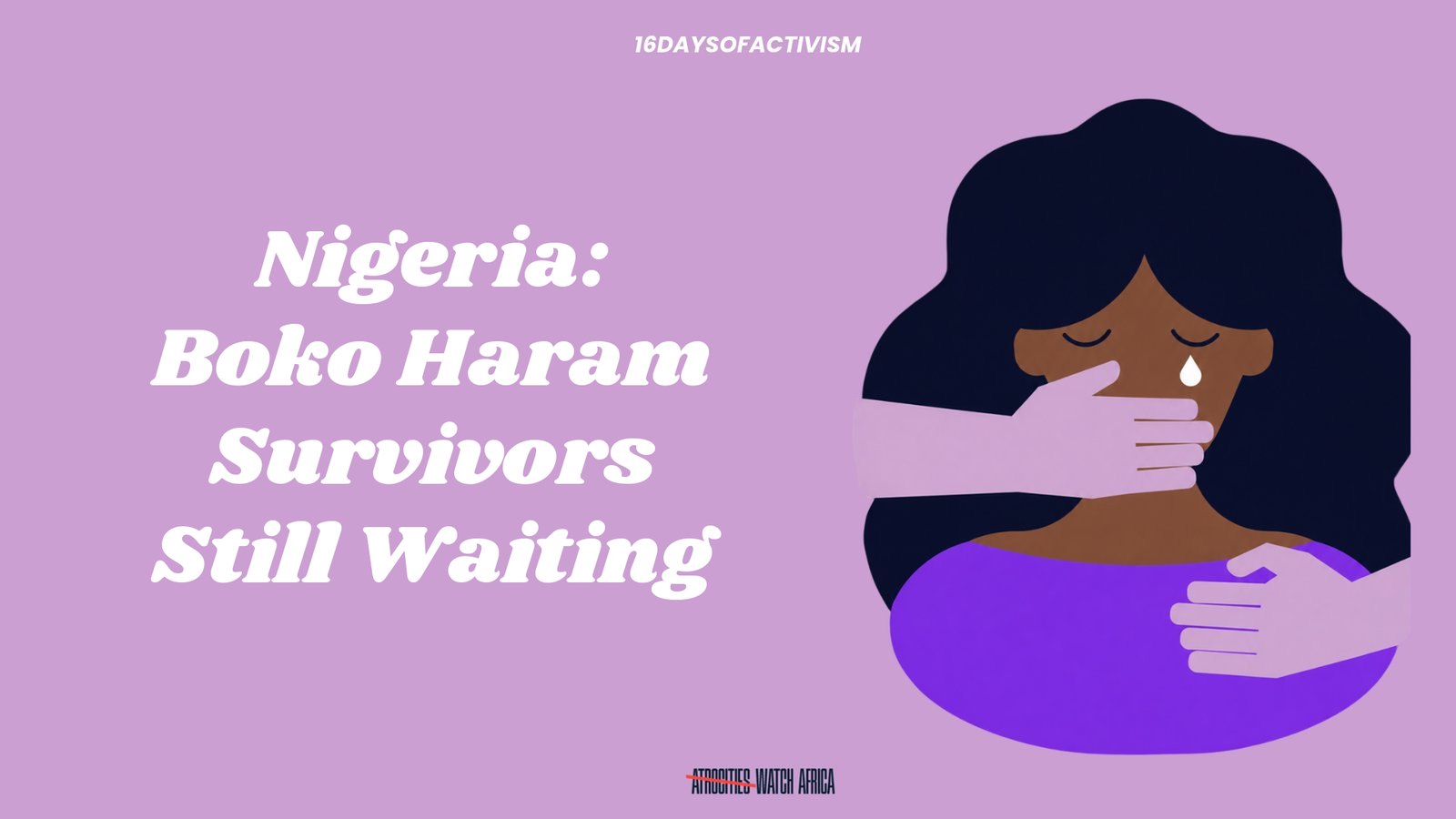
Nigeria: Boko Haram Survivors Still Waiting
Since 2009, Boko Haram’s insurgency in north-east Nigeria has targeted girls and young women for abduction, forced marriage to its fighters and sexual violence.
Read more
Amnesty International’s June 2024 report, “Help Us Build Our Lives,” drew on 126 interviews conducted between 2019 and 2024, 82 of them with survivors, documenting abduction, forced marriage, enslavement and sexual violence. Escape often brought fresh abuse: 31 girls and young women said they were held unlawfully in military barracks, some for nearly four years, over suspected links to the group. The military rejected the findings. In December 2024, Amnesty asked ICC judges, on behalf of victims’ networks, to end the Prosecutor’s delay in opening an investigation, four years after concluding one was warranted. In June 2025 the judges declined.
Sources: Amnesty International, JURIST, Amnesty (ICC petition), Arise TV
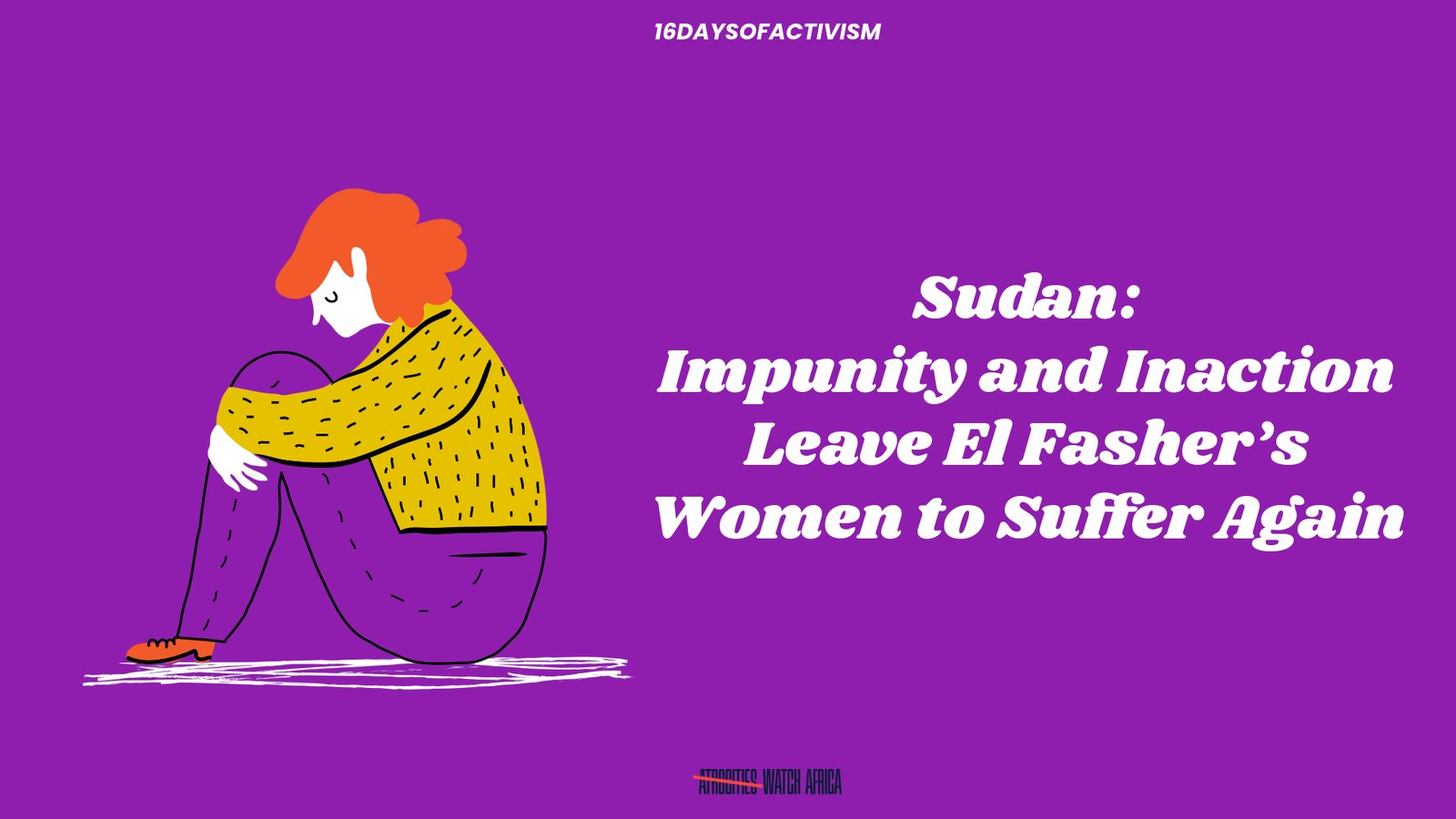
Sudan: Impunity and Inaction Leave El Fasher’s Women to Suffer Again
Since war broke out between the Sudanese Armed Forces (SAF) and the Rapid Support Forces (RSF) in April 2023, sexual violence has been used across Sudan.
Read more
In October 2024, the UN Fact-Finding Mission called its scale “staggering,” documenting gang rapes and the abduction of women into conditions amounting to sexual slavery, with survivors aged from eight to 75. Most cases were attributed to the RSF and allied militias, though some were also attributed to the SAF. In September 2025, the Mission found that the RSF had committed sexual violence as a war crime and a crime against humanity, and urged that consideration be given to extending the International Criminal Court’s jurisdiction from Darfur to the whole of Sudan. It later characterised the atrocities committed during the fall of El Fasher in October 2025 as bearing the “hallmarks of genocide”.
Sources: UN Sudan, JURIST, Sudan Tribune, Tamil Guardian
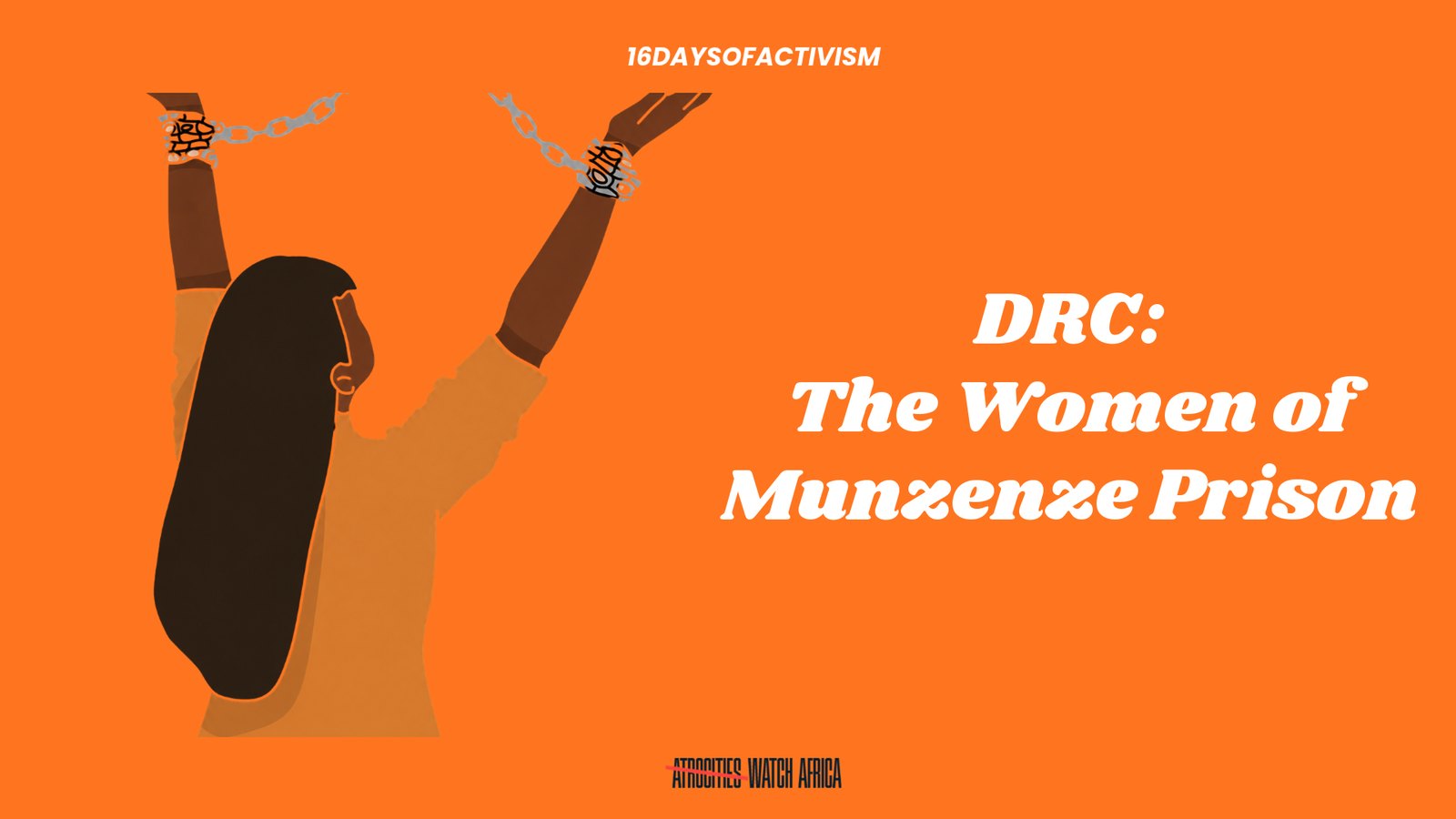
DRC: The Women of Munzenze Prison
On 27 January 2025, as M23 rebels stormed Goma, more than 4,000 male inmates broke out of Munzenze prison and attacked the women’s wing.
Read more
The UN reported that at least 165 women were raped, and an internal UN document seen by the BBC put the figure at 165 to 167. Most of the women died when the wing was set alight; only nine to 13 survived, all of whom had been raped, the UN told CNN. The UN said it could not verify every detail first-hand. FIDH links it to earlier prison-break mass rapes in Kinshasa and Lubumbashi. Women’s Platform for Action International has asked the UN Commission on the Status of Women to address the impunity.
Sources: NBC News, CNN via AOL, Babel/BBC, FIDH, Women’s Platform for Action
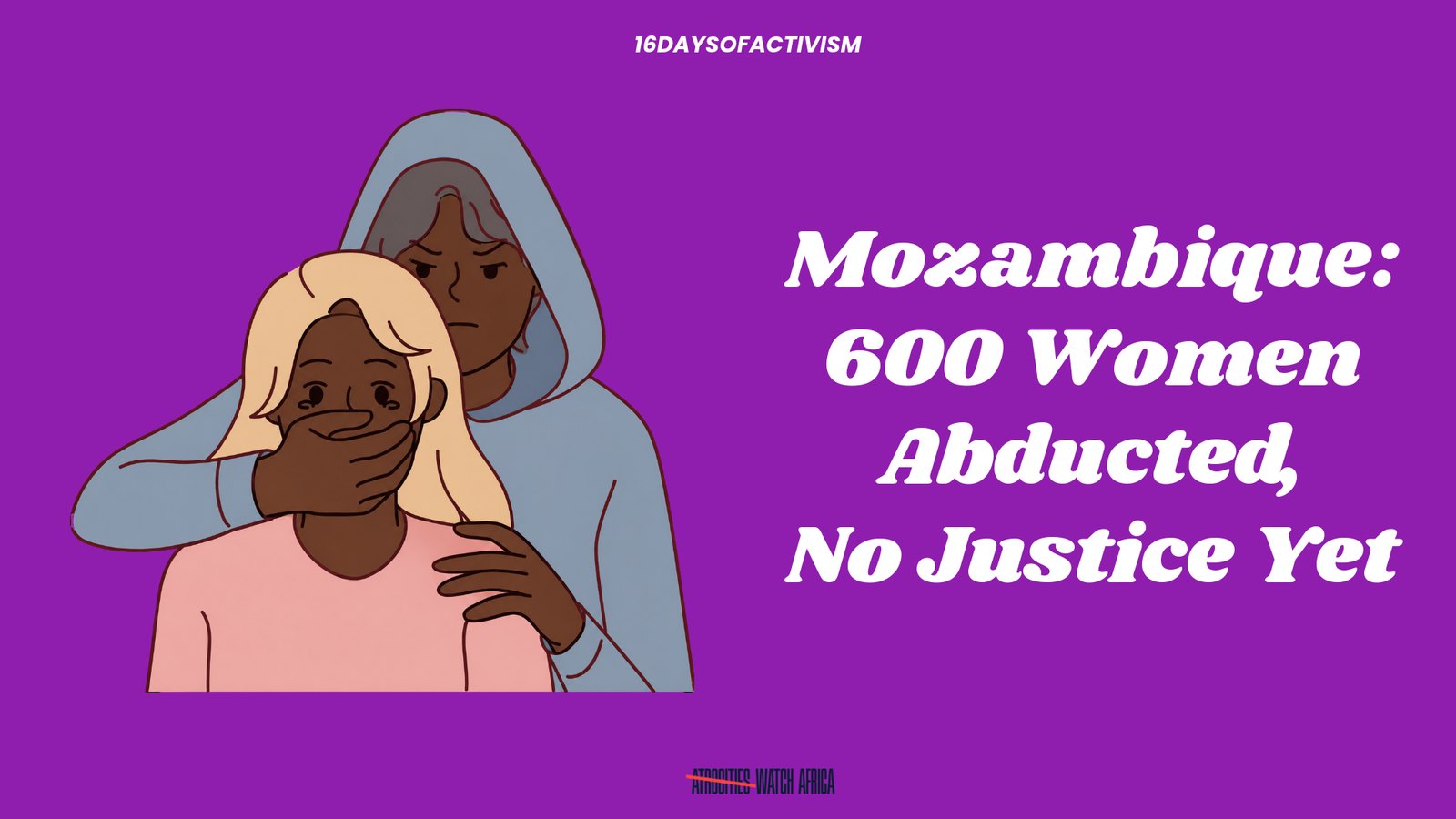
Mozambique: 600 Women Abducted, No Justice Yet
Since 2017, an insurgency in Mozambique’s northern Cabo Delgado province has made women and girls targets on every side.
Read more
In 2021, Human Rights Watch reported that the ISIS-linked group known locally as al-Shabab had abducted more than 600 women and girls since 2018, holding many as “wives” and selling others to foreign fighters for between US$600 and $1,800. A 2024 UNFPA report, never published but obtained by journalists in June 2026, found a surge in sexual violence and accused Mozambique’s own armed forces of widespread rape. It pointed to almost complete impunity for soldiers, even where those responsible could be identified. For the women of Cabo Delgado, the search for justice has barely begun.
Sources: HRW, The EastAfrican, RFI via ModernGhana, Eurasia Review


